Home exterior styles range from traditional colonial to modern contemporary, each requiring specific siding approaches that complement architectural features and design intentions effectively. Many homeowners select siding without considering how materials and installation methods should vary based on architectural styles requiring different treatments. Understanding how professional installers adapt techniques to various home designs helps you recognize why expertise proves essential for achieving appropriate results. The difference between siding that enhances architectural character and that which detracts often comes down to style-appropriate material selection and installation. Learning how specialists approach different architectural styles empowers you to ensure your home receives treatment respecting its unique design characteristics properly.
Working With Traditional Colonial Architecture
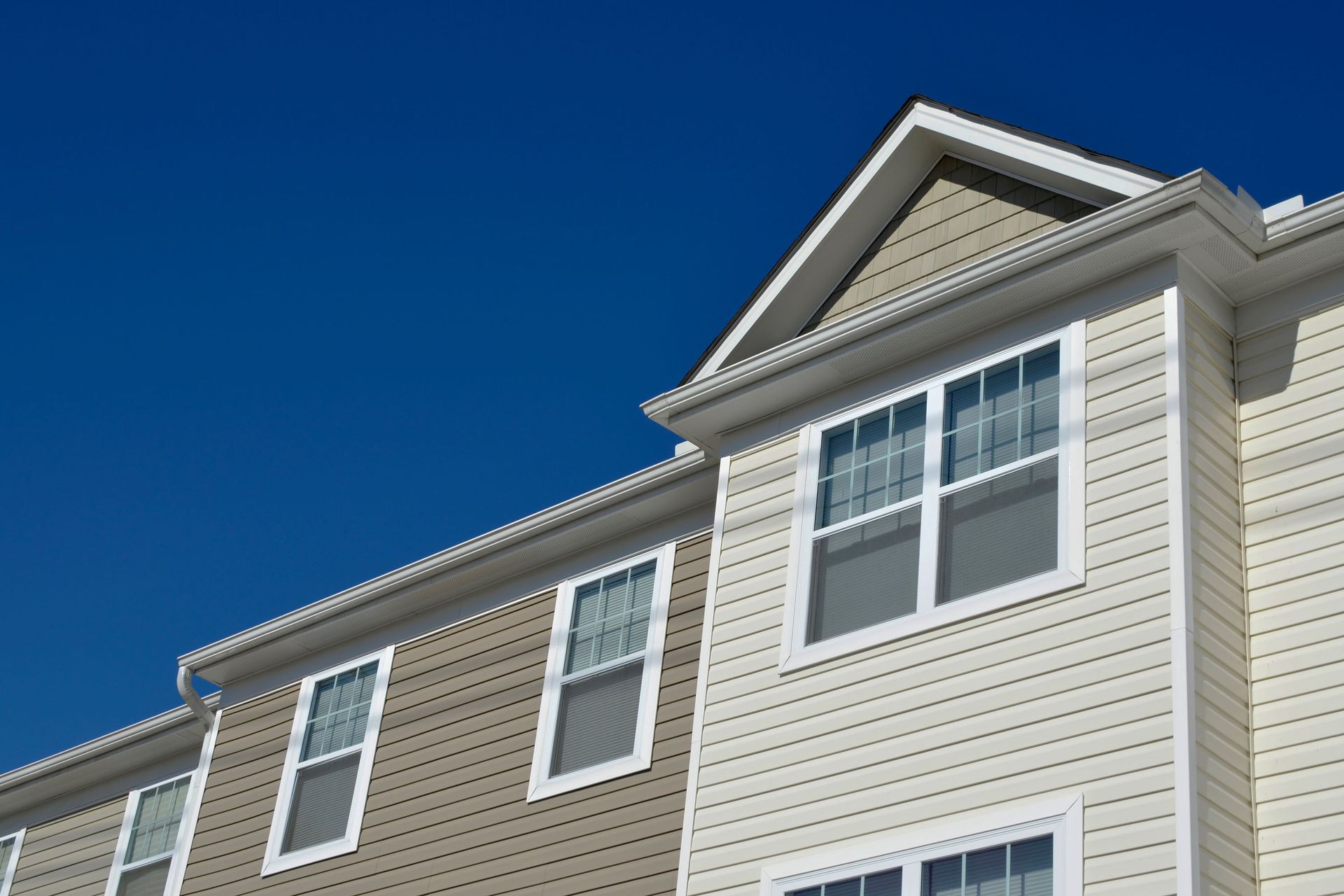
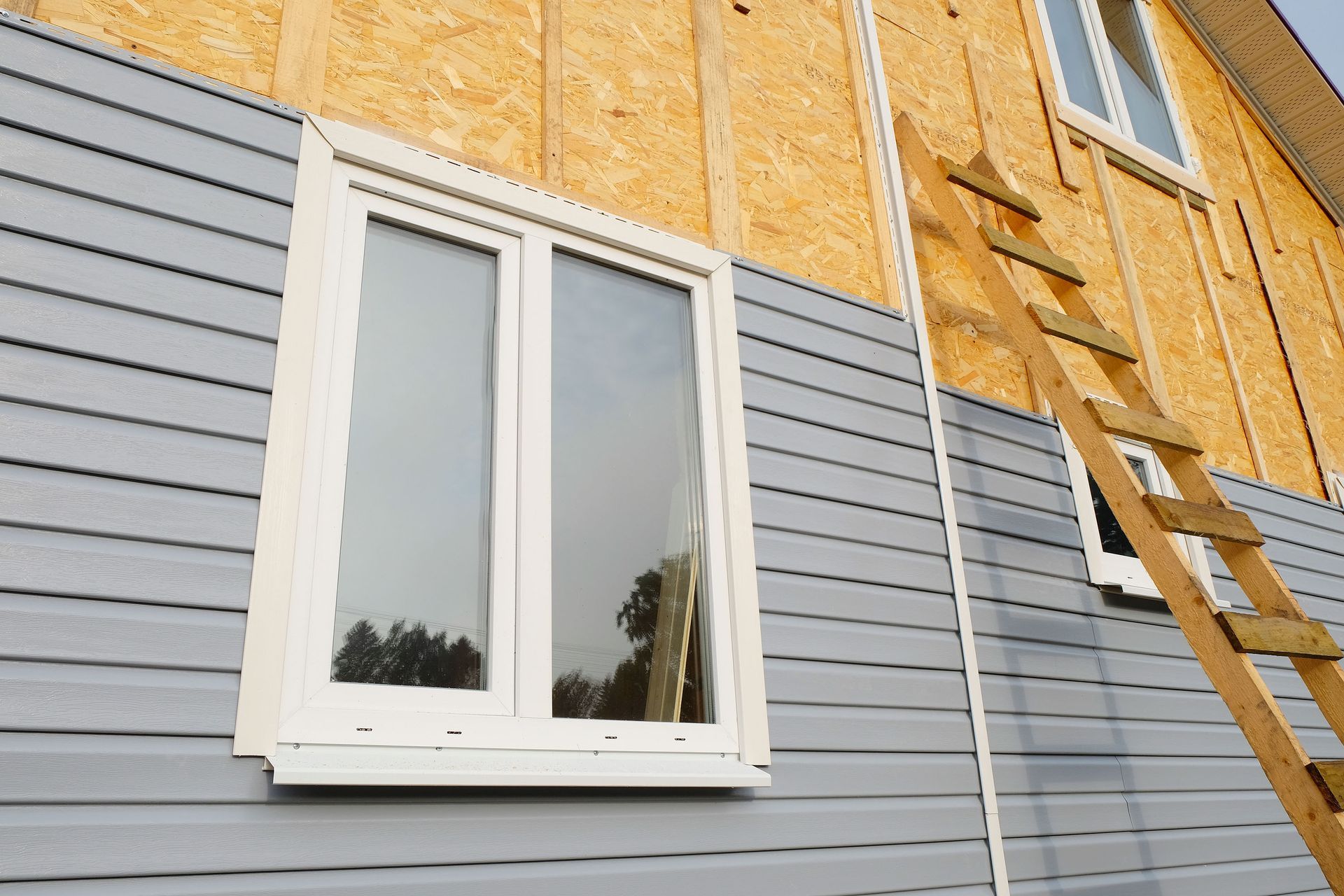
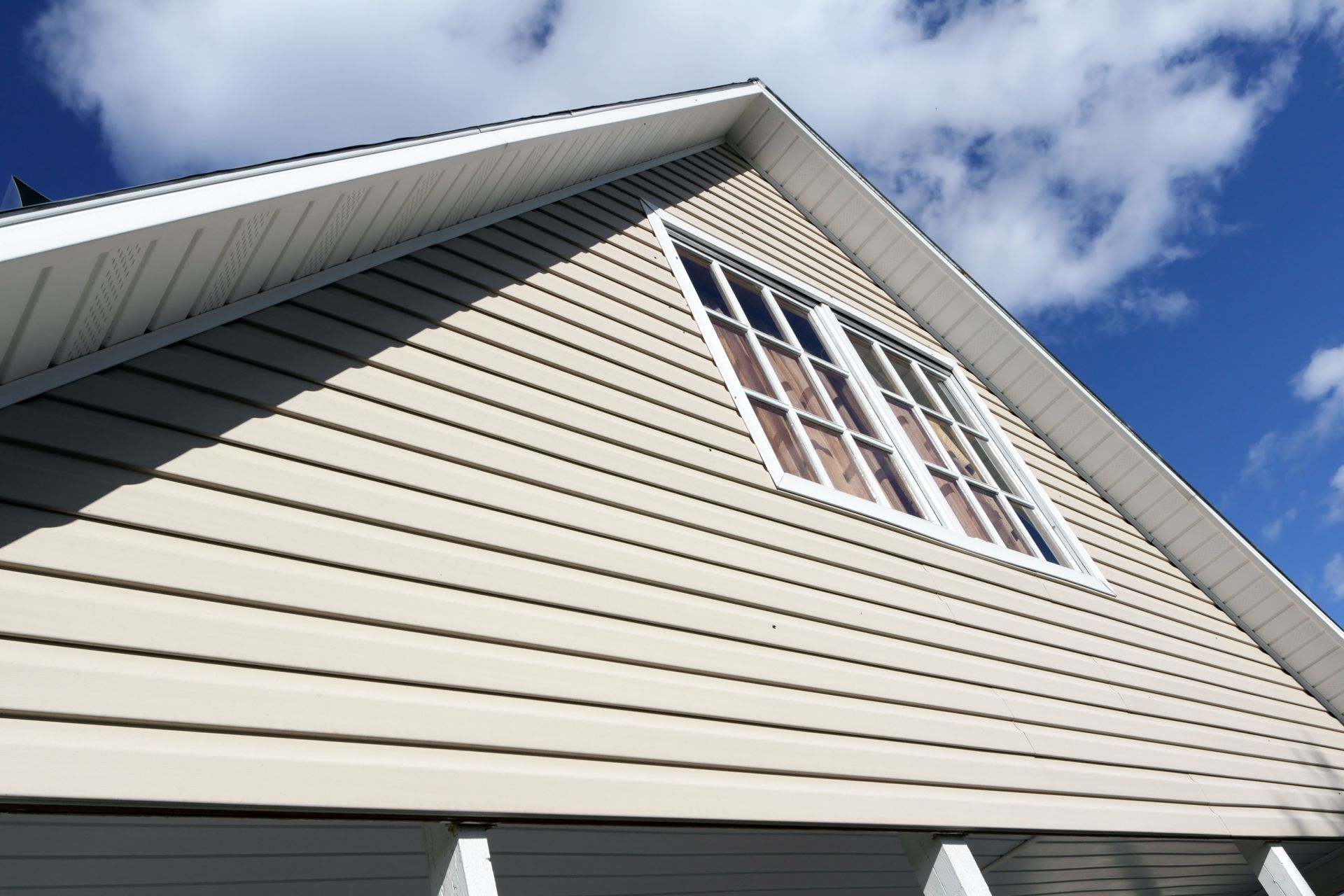
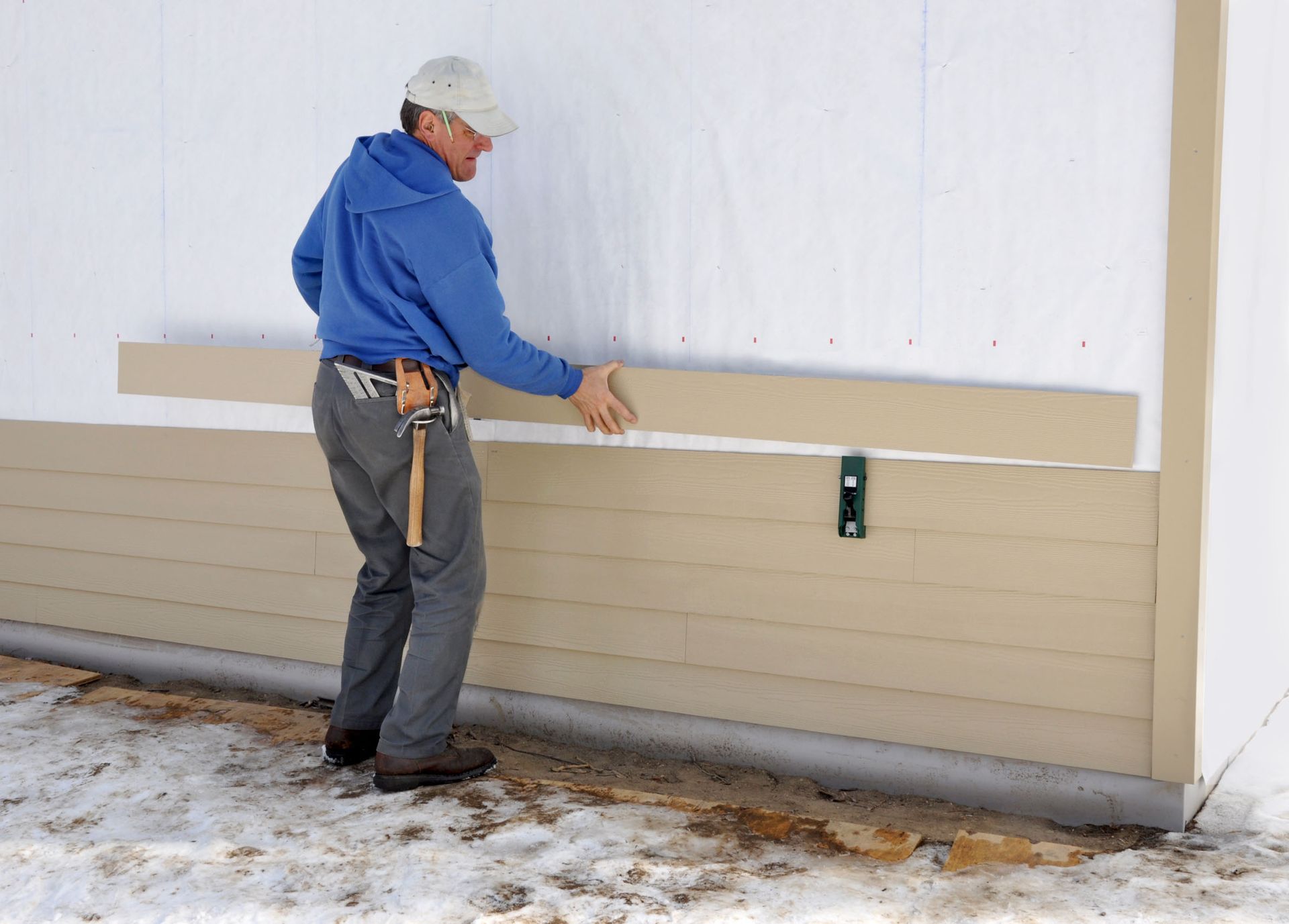
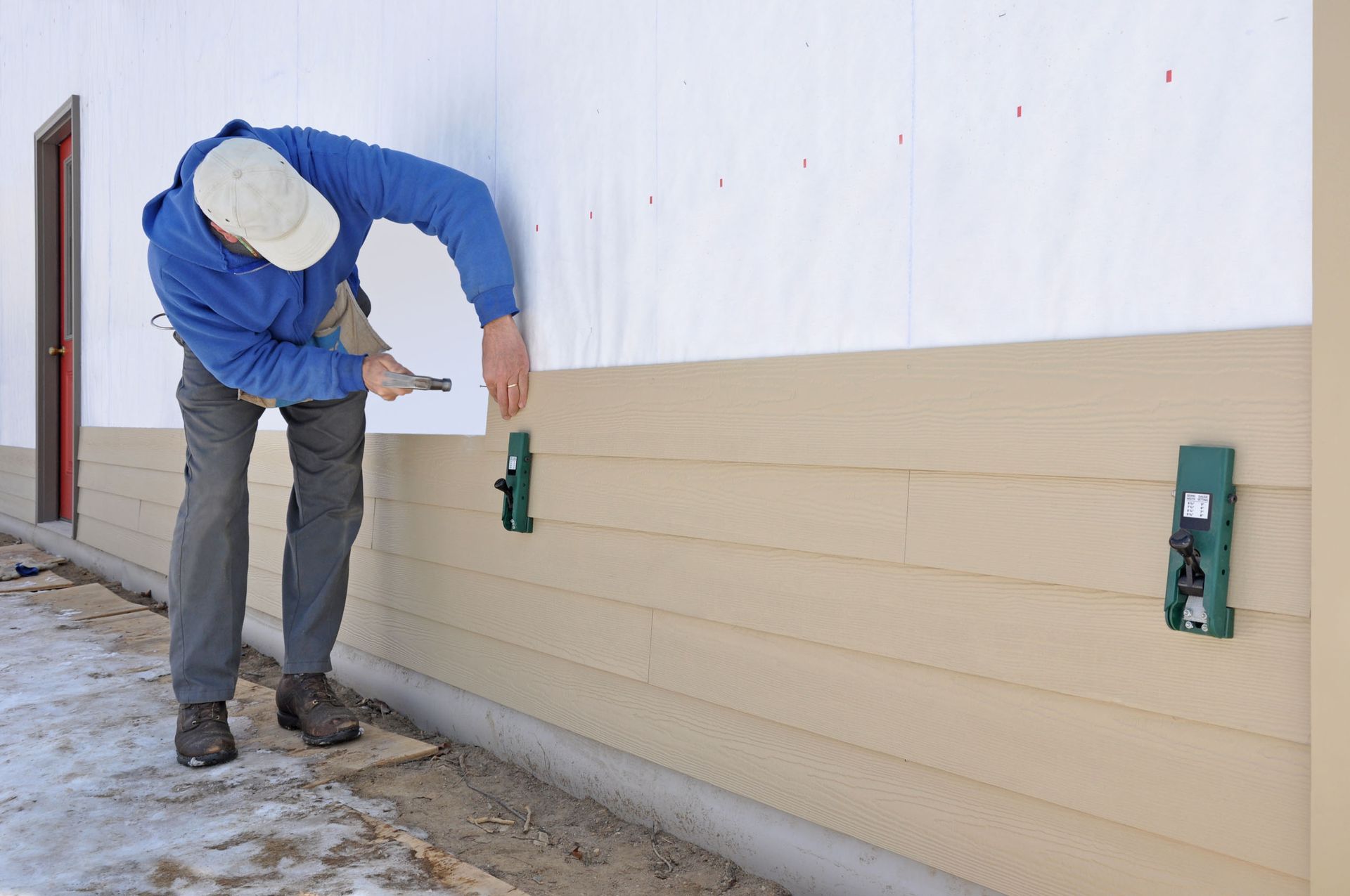
According to the National Association of Home Builders, vinyl siding was used on over 27% of the new homes started recently. Colonial homes feature symmetrical facades, shuttered windows, and formal proportions requiring siding installations that maintain these balanced, traditional aesthetics through appropriate materials. These classic designs traditionally used clapboard siding, making horizontal lap siding the most architecturally appropriate choice for authentic appearance and period correctness. The formality that colonial architecture embodies demands neat, precise installations without the casual informality that other styles might tolerate more readily. Professional siding contractors understand colonial proportions, selecting appropriate exposure widths, trim details, and corner treatments that enhance rather than compromise these formal designs. They maintain symmetry carefully, ensure shutters align properly with siding courses, and create the refined appearance that colonial architecture demands through meticulous work.
Victorian architecture features elaborate trim, complex shapes, turrets, bay windows, and decorative elements requiring careful siding work around intricate details and features. These ornate homes demand patient, skilled installation, navigating complicated geometry while preserving the architectural details that define Victorian character and appeal. The complexity that Victorian homes present makes them among the most challenging for siding installation, requiring experienced professionals rather than general contractors. Skilled contractors approach Victorian homes methodically, carefully measuring and cutting around elaborate trim, preserving decorative elements, and ensuring siding complements ornate details. They understand how to flash complex intersections properly, maintain water-tightness around elaborate features, and create installations that enhance rather than hide architectural richness. The Victorian expertise they possess prevents the simplification that occurs when inexperienced installers hide details or cut corners, addressing complexity improperly.
Complementing Craftsman Style Details
Craftsman homes emphasize natural materials, exposed structural elements, and horizontal lines requiring siding that respects these design principles through appropriate selections. These homes traditionally featured wood siding, stone accents, and natural colors, making material choices that honor these aesthetic foundations particularly important. The horizontal emphasis that Craftsman design employs makes lap siding particularly appropriate, reinforcing the strong horizontal lines that these homes emphasize. Experienced siding contractors select materials and colors complementing Craftsman aesthetics, often combining siding with stone or shake accents that these designs traditionally incorporate. They emphasize horizontal lines through siding orientation and exposure, maintain proper scale relationships, and ensure installations respect the natural material aesthetic that Craftsman philosophy embodies. The Craftsman sensitivity they bring prevents the mistakes that occur when siding choices ignore the design principles that these distinctive homes represent.
Mid-century modern homes feature clean lines, minimal ornamentation, mixed materials, and strong geometric forms requiring siding that maintains these sleek aesthetics. These designs often incorporate board and batten, vertical siding, or smooth panels rather than traditional horizontal lap siding that other styles employ. The simplicity that mid-century design emphasizes demands precise, clean installations without the decorative trim that traditional homes require for appropriate character. Contemporary siding contractors understand mid-century aesthetics, selecting materials and installation methods that preserve the clean, unadorned appearance that these designs intend deliberately. They create crisp lines, minimize visible fasteners, use modern materials appropriately, and ensure installations maintain the architectural integrity that mid-century homes display. The modern sensibility they bring respects design intentions rather than imposing traditional details that would compromise mid-century character and authenticity.
Adapting to Ranch Home Horizontality
Ranch homes emphasize low, horizontal profiles with minimal vertical elements, requiring siding that reinforces these defining horizontal characteristics through appropriate material selections. These single-story homes often feature long, uninterrupted wall sections where siding pattern and color significantly affect overall appearance and visual proportions. The horizontal emphasis that ranch design employs makes lap siding particularly effective, with exposure widths selected to reinforce the long, low profiles. Strategic siding contractors understand ranch proportions, selecting appropriate siding exposures, colors, and accents that emphasize horizontal lines while preventing monotony across long facades. They use contrasting materials or colors strategically, breaking up expansive walls while maintaining horizontal emphasis that ranch architecture demands for proper character. The proportional sensitivity they demonstrate ensures siding enhances rather than fights the horizontal emphasis that defines ranch home architecture distinctively.
Cape Cod homes feature steep roofs, central chimneys, symmetrical designs, and traditionally used weathered cedar shakes or clapboard siding requiring historically appropriate treatments. These coastal-inspired homes demand materials and colors reflecting their maritime origins, with weathered grays, whites, and natural wood tones proving most authentic. The simplicity that Cape Cod design embodies requires straightforward siding installations without the elaborate details that other styles might incorporate more prominently. Traditional siding contractors respect Cape Cod heritage, selecting materials and colors that honor these homes' New England coastal origins while ensuring modern performance. They understand appropriate trim details, shutter relationships, and the understated elegance that Cape Cod architecture embodies through its practical, unpretentious design. The historical sensitivity they bring ensures modern siding respects traditional character while providing contemporary performance and longevity throughout ownership periods.
Addressing Historic Preservation Requirements
Historic homes in designated districts face strict guidelines governing exterior alterations, requiring siding that meets preservation standards while providing modern performance. These requirements often mandate specific materials, colors, and installation methods that maintain historical character despite using contemporary products when appropriate. The regulatory knowledge that historic work demands makes specialized contractors essential for projects in preservation districts requiring approval compliance. Preservation-focused siding contractors understand historic district requirements, work with review boards, and select materials satisfying both preservation standards and performance needs. They document original details, match historical appearances using modern materials when allowed, and ensure installations receive necessary approvals before proceeding with work. The preservation expertise they possess navigates regulatory requirements successfully while achieving installations that satisfy both historical accuracy and modern performance standards simultaneously.
Home additions require matching existing siding in material, color, texture, and installation pattern, creating seamless integration that makes additions appear original. This matching proves challenging when the original siding has aged, been discontinued, or changed in manufacturing, requiring creative solutions to achieve visual continuity successfully. The color matching that weathered siding demands proves particularly difficult, as new materials rarely match aged siding without weathering periods equalizing appearances. Expert siding contractors excel at matching existing materials, sourcing discontinued products, or selecting alternatives that blend seamlessly with the original siding through careful selection. They understand how to transition between materials when perfect matches prove impossible, creating installations where additions integrate rather than appearing obviously newer. The matching expertise they bring prevents the patchwork appearance that occurs when additions clearly don't match the original construction despite contractor efforts.
Understanding how professional installers adapt to various architectural styles helps homeowners recognize why expertise proves essential for appropriate, successful results. The investment in qualified contractors familiar with specific architectural requirements delivers installations that enhance rather than compromise home character and design. Making informed contractor selections ensures your home receives treatment respecting its unique architectural style through appropriate materials and installation methods. Whether you need residential roofing, siding repairs, metal roofing, chimney caps, or gutters and downspouts, Bald Eagle Exteriors provides Amish-skilled craftsmanship, offers a workmanship warranty, and brings 29+ years of experience. For more information, contact us today!